Being a “survivor” has captured the imagination of millions of TV watchers. But a survivor is much more than a TV fantasy. A survivor is someone prepared to live—and live as healthfully as possible—when life far from home doesn’t go exactly as planned.
Being prepared to survive in the outdoors starts with knowing what to be prepared for. You can live days without water and weeks without food. People who don’t survive in the outdoors most often die from losing their body heat, not necessarily from starvation or dehydration. You need to be able to start a fire. And perhaps most importantly, you need to be able to build a shelter to stave off wind, rain and snow, and to keep your body heat trapped where it belongs: near your body.
1. Anywhere the ground is damp.2. On mountaintops and open ridges where you are exposed to cold wind.3. In the bottom of narrow valleys where cold collects at night.4. Ravines or washes where water runs when it rains.
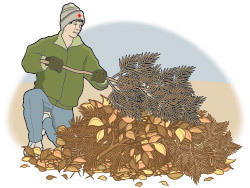
If it’s almost dark and you can hurriedly collect dry debris (leaves, pine needles, bark) from the forest floor, make a pile two or three feet high and longer than you are tall. When you burrow into the pile, you are in a natural sleeping bag that protects against heat loss.
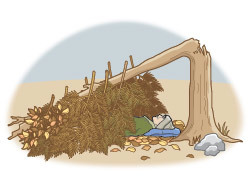
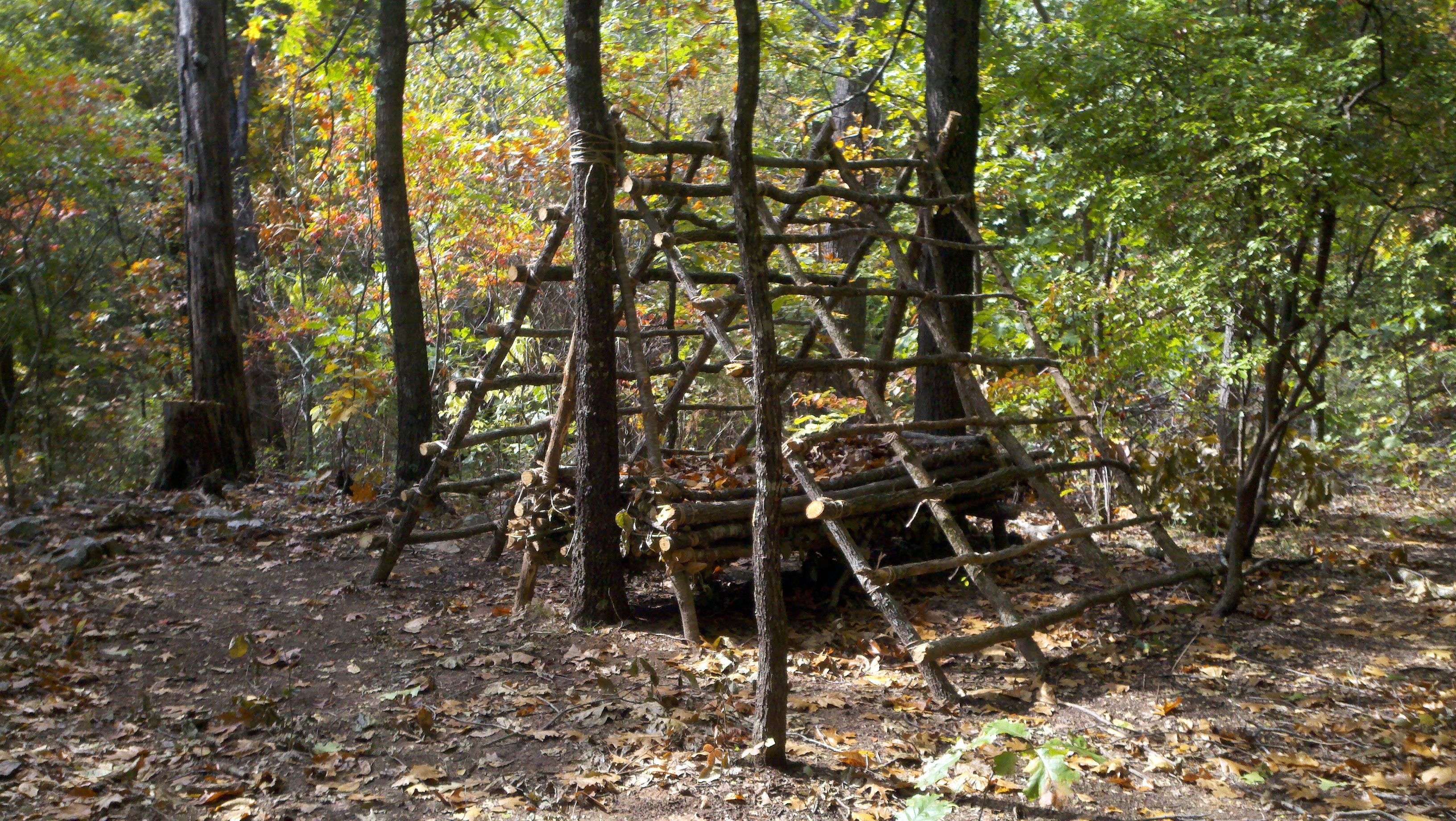
The simplest shelter is a fallen tree that has enough room under it for you to crawl in. Lean branches against the windward side of the tree (so the wind is blowing into it and not against it) to make a wall. Make the wall thick enough to keep out wind. If you can build a fire on the open side of your shelter, the heat will help keep you warm.